Outlaw gospel music explores faith through unconventional lenses. This genre often features raw, authentic storytelling, blending traditional spiritual themes with rebellious country and folk influences. It speaks to listeners seeking honest expressions of belief outside mainstream religious narratives. Its appeal lies in its gritty sound and heartfelt lyrics, resonating with a wide audience across various demographics. The movement champions a personal interpretation of faith, moving beyond strict doctrines. Discover how this powerful musical style continues to shape conversations about spirituality and cultural identity. Explore the artists, the history, and the evolving message of outlaw gospel's profound impact on American music today. Many are curious about its unique blend.
What exactly is outlaw gospel, and why are so many people drawn to its distinct sound? This fascinating musical genre offers a refreshing perspective on faith, often challenging conventional religious expressions. It weaves together the soulful introspection of gospel with the rugged independence found in outlaw country music. The result is a powerful, deeply personal form of spiritual storytelling that truly resonates. It speaks to those who feel a connection to faith but prefer an unfiltered, authentic voice. This musical movement has grown significantly, captivating audiences with its raw honesty and powerful messages.
The Roots of a Rebel Sound
Where Did Outlaw Gospel Begin Its Journey?
Outlaw gospel sprouted from a rich soil of American musical traditions. It emerged as artists yearned for a more genuine way to express their spiritual journeys. This movement often incorporates elements from traditional hymns but infuses them with a raw, bluesy, or country-folk edge. Think less stained glass, more dusty back roads and heartfelt testimony. Early influences include pioneers who blended secular and sacred themes, daring to sing about doubt alongside devotion. It represents a musical space where faith feels gritty and real, reflecting life's complexities.
Key Characteristics Defining Outlaw Gospel Today
Today, outlaw gospel stands out with several defining features that make it so compelling. You will hear an emphasis on authentic, often autobiographical lyrics that grapple with struggles, redemption, and personal belief. The instrumentation tends to favor acoustic guitars, banjos, and raw vocal delivery, giving it an earthy, organic feel. It also embraces a DIY spirit, with many artists producing their own music outside major label systems. This independence allows for artistic freedom and a direct connection with listeners. Its message often critiques religious hypocrisy while celebrating genuine spiritual seeking.
Influential Voices and Modern Trends
Who Are the Leading Figures Shaping This Genre?
The outlaw gospel landscape features a dynamic array of artists making profound impacts. While not always household names, these musicians command dedicated followings for their uncompromising artistic integrity. They often prioritize lyrical depth and emotional honesty over commercial polish or radio play. Think of songwriters who speak directly from their hearts about their faith walk. Their contributions help solidify the genre's unique identity. These artists continue pushing boundaries, ensuring the genre evolves while maintaining its core rebellious spirit.
Outlaw Gospel's Evolution and Impact by 2026
By 2026, outlaw gospel is seeing continued growth in digital spaces and independent music scenes. Its appeal for authentic narratives has only strengthened in an increasingly digital world. We are seeing more artists using online platforms to share their music directly with fans globally. Festivals dedicated to roots and Americana music frequently feature outlaw gospel acts. This genre continues to provide a vital outlet for spiritual expression that feels both traditional and refreshingly modern. Its influence on mainstream country and folk music also becomes more apparent with each passing year.
What Others Are Asking?
What makes Outlaw Gospel different from traditional Gospel music?
Outlaw Gospel differentiates itself through its raw, often rebellious approach to spirituality, blending traditional faith themes with country, blues, and folk influences. It prioritizes personal testimony and struggles over conventional church hymns. This genre embraces authenticity and a more rugged sound, appealing to those seeking unfiltered expressions of faith outside mainstream religious structures.
Are there specific instruments common in Outlaw Gospel?
Yes, common instrumentation in Outlaw Gospel often includes acoustic guitars, banjos, mandolins, upright bass, and simple percussion. The emphasis is on an organic, rootsy sound that complements the heartfelt and often raw vocal delivery. This stripped-down approach helps maintain the genre's authentic and intimate feel for listeners.
Can Outlaw Gospel artists find mainstream success?
While often operating outside mainstream music industry structures, Outlaw Gospel artists can achieve significant recognition and dedicated fan bases. Their success is frequently built through grassroots efforts, touring, and strong independent releases. Some artists might cross over into Americana or country charts, reaching broader audiences with their unique spiritual messages.
Does Outlaw Gospel address social issues?
Absolutely, Outlaw Gospel frequently addresses social issues, often through the lens of faith and personal conviction. Artists might explore themes of justice, poverty, redemption, and societal struggles, aligning their spiritual messages with real-world concerns. This commitment to truth makes the genre deeply resonant and often thought-provoking for its listeners.
Is Outlaw Gospel considered a niche genre?
Outlaw Gospel is generally considered a niche genre, appealing to audiences who appreciate its blend of raw spirituality and roots music. However, its influence extends beyond its core listeners, impacting broader Americana, folk, and country scenes. Its authentic sound continues to gain traction with those seeking genuine musical expression.
People also usually ask...
People also usually ask: Who are some famous Outlaw Gospel singers? Well, artists like Brother Dege, The Reverend Peyton's Big Damn Band, and Lincoln Durham often blend elements of what many consider outlaw gospel into their unique sounds. They're definitely worth checking out for that raw, soulful vibe.
People also usually ask: How old is the Outlaw Gospel movement? It's tough to put an exact age on it, but the spirit of blending raw faith with rebellious music has roots going back decades, truly taking shape as a distinct idea in recent years. It's more of an evolving artistic movement than a fixed timeline.
People also usually ask: Is Outlaw Gospel part of country music? Yeah, it's definitely got strong ties to country music, especially the grittier, more traditional outlaw country style. It often shares musicianship and storytelling traditions, but with a clear spiritual lyrical focus that sets it apart.
People also usually ask: What kind of themes does Outlaw Gospel cover? You'll hear a lot about personal redemption, grappling with doubt, social commentary, and finding faith outside of rigid institutions. It's all about an honest, sometimes messy, spiritual journey rather than just traditional praise.
| Fact | Details |
|---|---|
| Genre Origin | Emergence from country, blues, folk traditions |
| Defining Sound | Raw, authentic, roots-oriented instrumentation |
| Lyrical Focus | Personal faith, struggles, redemption, social commentary |
| Core Philosophy | Authenticity over orthodoxy, independent spirit |
| Key Influences | Outlaw Country, Delta Blues, traditional American folk |
| Typical Instruments | Acoustic guitar, banjo, harmonica, upright bass |
| Audience Appeal | Seekers of unfiltered spiritual expression |
| Current Status (2026) | Growing independent scene, digital presence |
Outlaw gospel blends spiritual themes with country folk rebellion authentic storytelling raw sound personal faith unconventional faith expression cultural identity in American music.
Outlaw Country Cruise Renegades And Rabble Rousers Are You Ready To MediaCountry Gospel Playlist Dark Country Outlaw Country Blues Mix RAW Gospel Outlaw YouTube G8dAmR4G C K C0x00ffffff No Rj
Outlaws Just Added The Band Will Be Joining The Rock Legends Cruise MediaCountry Outlaw Music Top Outlaw Country Best Songs YouTube Christian Outlaws The Far Reaches Of Grace Christian Outlaw Outlaw Gospel Music Video Wiki Fandom Latest
Michael 2026 Official Teaser Socialite Life Net Christian Country Internet Radio Playing Drew Jacobs Jesus Was An Outlaw Large Outlaw Redemption Powerful Christian Country Rap Gospel Hip Hop Outlaw Gospel COUNTRY RAGE RADIO Outlaw Gospel
OUTLAW GOSPEL OUTLAW GOSPEL 2026 1860034199 500x500bb Alight Ministry Alight Ministry Added A New Photo MediaGospel Outlaw YouTube =s900 C K C0x00ffffff No RjCountry Music Concert Tickets In Florida 2025 2026 JamBase Outlaw Country Cruise 2025 Featured 1200x675
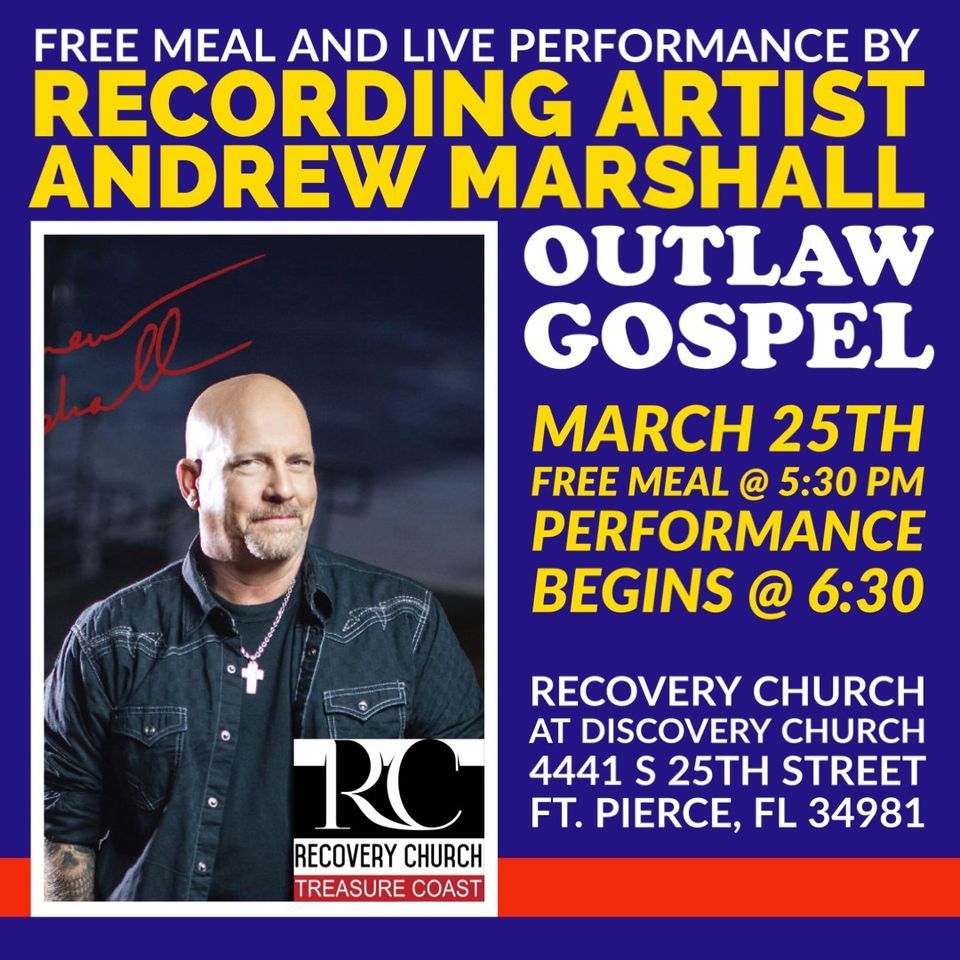
What If The Apostle Paul Played Guitar His Story Told In Outlaw Collect Assembly Outlaw Gospel Lyrics And Tracklist Genius Outlaw Gospel Revival Songs For Sinners Drinkers The Damned FREE MEAL AND FREE PERFORMANCE BY OUTLAW GOSPEL RECORDING ARTIST ANDREW Rimg W960 H960 Gmir
OUTLAW GOSPEL OUTLAW GOSPEL 2026 1860034199 500x500bb Outlaw Gospel Album By Dan Harman SpotifyOutlaw Gospel MediaGospel Outlaw YouTube Music
Outlaw Gospel Music Video By Chase Matthew Apple Music 1200x630mv Unveiling The Outlaw Music Festival 2026 Lineup Get Ready For An Epic Image 64 Psalm 23 Like You Ve Never Heard It Before Outlaw Gospel Blues YouTube God S Outlaw 1986 IMDb V1 FMjpg UX1000
Willie Nelson Unveils Lineup For 2026 Outlaw Music Festival Get Ready Image 126 OUTLAW GOSPEL OUTLAW GOSPEL 2026 1860034199 500x500bb World Of Outlaws Late Model Series Releases 2026 LM 1000x600 Chase Matthew Outlaw Gospel Lyrics New Song YouTube
Christian Outlaw Merchandise Justin Todd Herod IMG 5982 Amazon Com Wanted Gospel Outlaws Digital Music 61zn4b27 FL Christian Outlaw Country Playlist UNFILTERED FAITH Gospel Music For 2026 Sprint Car Stats Standings World Of Outlaws Woo

/revision/latest)