Ever wondered how your late-night gaming sessions contribute to more than just your personal enjoyment? This in-depth guide reveals how gaming helps the economy thrive, generating billions in revenue and creating countless jobs across the globe. We will explore the multifaceted economic impact of the video game industry, from direct spending on hardware, software, and in-game purchases to indirect contributions like esports, content creation, and technological innovation. For the average gamer balancing life and leisure, understanding this economic engine can offer a new perspective on a beloved hobby. Discover how your gaming habits fuel a vibrant ecosystem, foster new technologies, and provide opportunities for a diverse workforce, ultimately enriching local and global economies. Whether you are into mobile gaming, competitive esports, or simply unwinding with a cozy single-player experience, your passion plays a crucial role in one of the fastest-growing sectors today. Learn about job creation, investment in tech, and how a hobby can be a powerful economic driver.
How does gaming create jobs beyond just developers?
Gaming generates a vast spectrum of employment opportunities, extending far beyond the direct creation of games. This includes roles in hardware manufacturing and sales for consoles and PCs, specialized marketing and PR for game releases, quality assurance testing, community management, and technical support. Additionally, the rapid growth of esports has opened up careers for professional players, coaches, team managers, event organizers, and broadcasters. Even content creators and streamers employ editors, designers, and managers to support their channels, showcasing the industry's diverse hiring needs.
What are the main financial streams that show how gaming helps the economy?
The primary financial streams illustrating how gaming helps the economy are direct game sales (both digital and physical), in-game purchases (microtransactions, battle passes, cosmetics), and subscription services (Xbox Game Pass, PlayStation Plus, MMO subscriptions). Beyond software, there's significant revenue from hardware sales (consoles, PCs, peripherals), esports sponsorships and media rights, and the rapidly growing creator economy through streaming platforms like Twitch and YouTube. Each of these components contributes billions to the global GDP.
Why is the gaming industry considered recession-proof by some economists?
The gaming industry has shown remarkable resilience during economic downturns, often being dubbed
Hey fellow gamers! Ever finished a long session, maybe after tackling a challenging boss or coordinating a perfect raid with your squad, and wondered if all that fun actually does anything for the real world? We all game to unwind, connect with friends, or simply escape for a bit after a busy day juggling work, family, and life. But did you know your passion for gaming is also a massive economic powerhouse, quietly fueling growth and creating opportunities for millions?
It is easy to see gaming as just entertainment, a hobby we squeeze into our limited free time. However, the truth is, the gaming industry is a multi-billion dollar behemoth that significantly impacts global economies, including right here in the US. From the consoles and PCs we buy, to the games themselves, the microtransactions that keep our characters looking fresh, and even the streaming subscriptions we use to watch our favorite creators – every bit adds up. This article is your guide to understanding exactly how gaming helps the economy, revealing the hidden layers of job creation, technological innovation, and cultural influence that make your favorite pastime a critical economic driver. We will break down how this vibrant industry benefits everyone, not just those making the games. So, let us dive in and explore how your clicks, quests, and victories contribute to a much larger picture.
How Does Gaming Directly Contribute to Job Creation?
The gaming industry is a massive employer, creating a vast array of jobs beyond just game developers. Think about it: every game you play, every console you touch, every piece of gaming news you read involves a huge team. This includes programmers, artists, writers, sound designers, quality assurance testers, marketing specialists, community managers, and even legal teams. In the US alone, the industry directly supports hundreds of thousands of jobs. Beyond the core development studios, there are jobs in hardware manufacturing, peripheral sales, retail distribution, and specialized marketing agencies focused solely on games. These are well-paying roles that require diverse skill sets, attracting talent from various educational backgrounds.
What Role Do In-Game Purchases and Subscriptions Play in Economic Growth?
For many adult gamers, especially those balancing budgets, the thought of in-game purchases or subscription fees might seem like just another expense. However, these recurring revenues are a bedrock of the modern gaming economy. Games like Fortnite, Call of Duty, and even mobile titles, rely heavily on cosmetic items, battle passes, and subscription services to generate consistent income. This revenue allows developers to continually update games, create new content, and maintain servers, ensuring a dynamic and engaging experience for players. This model not only extends the lifespan of games but also creates a continuous demand for artists, designers, and programmers to produce new content, further fueling job growth and economic stability within the sector. It is a feedback loop where player spending directly funds future innovation and entertainment.
How Does Esports Boost Local and Global Economies?
Esports might seem like just competitive gaming, but it has exploded into a global phenomenon with significant economic implications. Major esports tournaments fill arenas, drawing massive live audiences and millions more viewers online, much like traditional sports. These events drive tourism, filling hotels, restaurants, and local businesses in host cities. Beyond events, the esports ecosystem creates jobs for professional players, coaches, managers, broadcasters, event organizers, and streaming technicians. Sponsorships from non-endemic brands (think Coca-Cola or BMW) inject substantial capital into the industry, further validating its economic importance. The prize pools often reach millions, attracting top talent and creating a vibrant, professional competitive landscape that generates revenue through media rights, merchandising, and advertising.
In what ways does Gaming Drive Technological Innovation?
Gaming has always been at the forefront of technological advancement, pushing boundaries that often spill over into other industries. The demand for more realistic graphics, immersive experiences, and seamless online play drives innovation in areas like GPU development, CPU design, artificial intelligence, and network infrastructure. Think about the ray tracing technology that is becoming standard in top-tier PC games; this tech is also being adapted for architectural visualization and medical imaging. Virtual Reality (VR) and Augmented Reality (AR) gaming are rapidly advancing, developing hardware and software solutions that will eventually transform fields like education, healthcare, and engineering. Gaming demands push for better cloud computing, faster internet speeds, and more efficient data processing, benefiting everyone online, not just gamers.
How Do Content Creators and Streamers Impact the Economy?
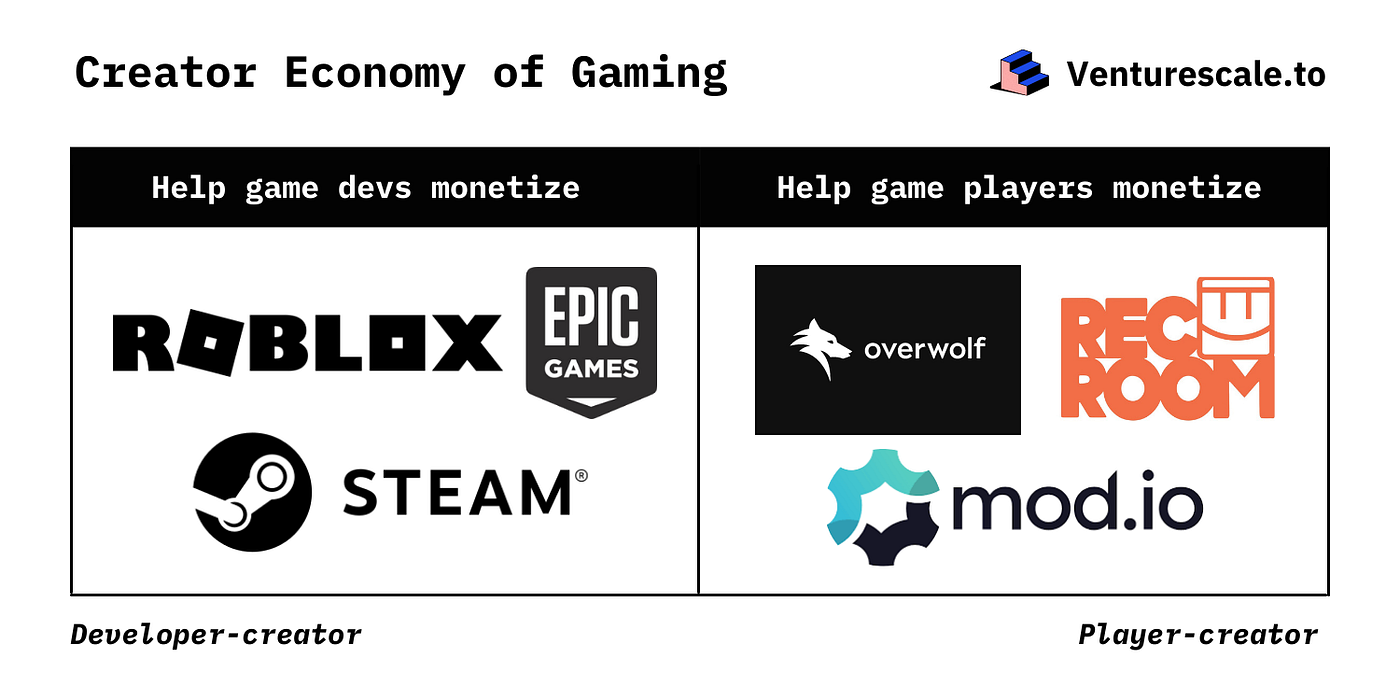
If you have ever spent an evening watching your favorite streamer on Twitch or YouTube, you have witnessed another vital part of the gaming economy. Gaming content creators and streamers have built massive communities, effectively becoming media entities themselves. They generate revenue through platform subscriptions, advertisements, merchandise sales, and direct donations from viewers. This creates a whole new category of entrepreneurial opportunity, allowing individuals to turn their passion for gaming into a viable career. Furthermore, this segment drives demand for high-end PCs, cameras, microphones, and streaming software, supporting the electronics and software industries. This month, we have seen creators collaborate with game developers, influencing game design and marketing in significant ways, creating a powerful economic flywheel.
What is the Economic Significance of Mobile Gaming?
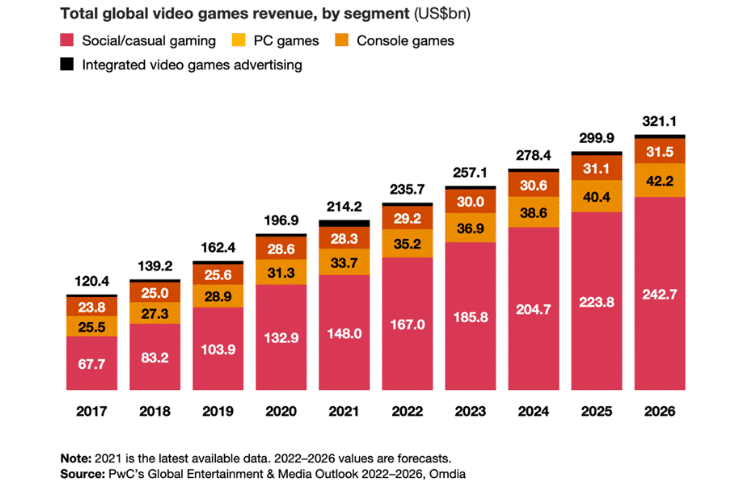
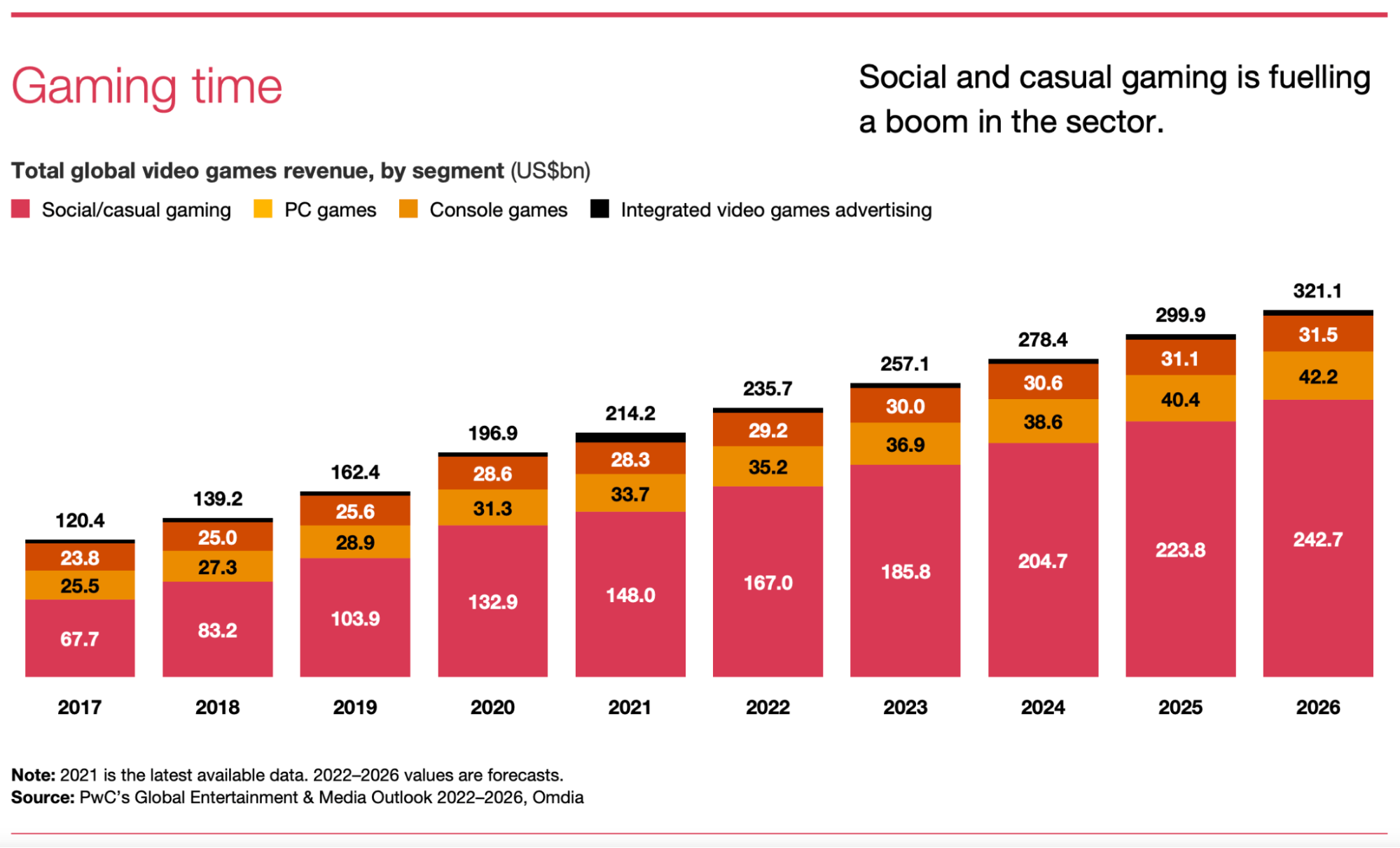
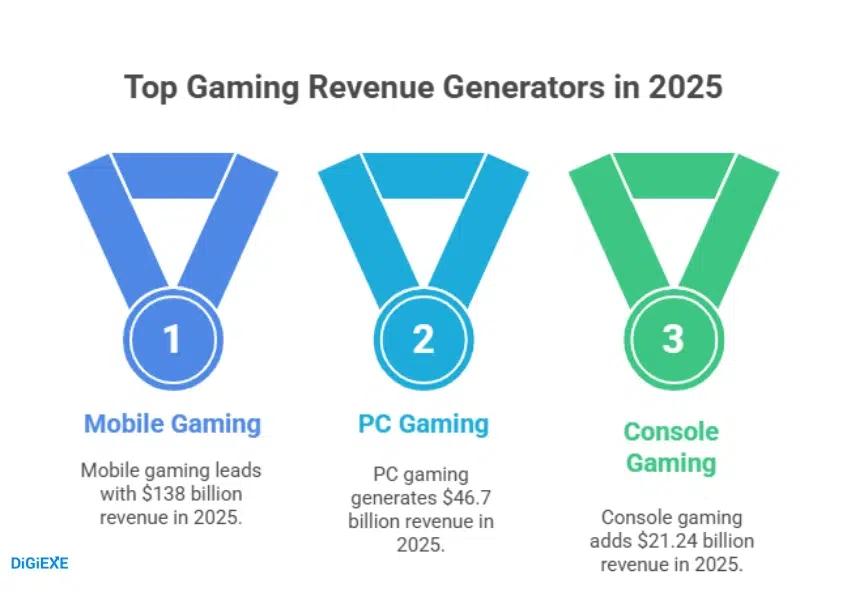
Mobile gaming, often overlooked by traditional console or PC gamers, is perhaps the largest and most accessible segment of the industry. With 87% of US gamers regularly playing and mobile dominating new player acquisition, its economic impact is staggering. Free-to-play mobile games, supported by in-app purchases and ads, generate billions in revenue annually. This segment provides entertainment to a massive, diverse audience, including busy adults who might only have a few minutes during their commute or lunch break. Mobile gaming drives innovation in smartphone technology, payment processing, and ad-tech. It also supports thousands of app developers, artists, and marketing professionals who create and promote these widely accessible games. The sheer volume of transactions and user engagement makes mobile gaming a foundational pillar of the digital economy.
How Does Gaming Foster Skill Development Applicable to the Workforce?
Beyond entertainment, gaming can actually build valuable skills that are highly sought after in the professional world. Multiplayer games, especially those requiring complex strategies or team coordination, hone communication, leadership, and problem-solving abilities. Think of competitive esports teams training to synchronize their moves – that is direct teamwork and strategic planning. Simulation games or titles focused on resource management can develop critical thinking and decision-making skills under pressure. Even basic game mechanics can improve hand-eye coordination and reaction times. These transferable skills are highly valued by employers, demonstrating that gaming is not just a leisure activity but can also be a unique training ground for future leaders and innovators.
Can Gaming Promote Local Businesses and Tourism?
While often global, gaming also has significant local impacts. Specialty game stores, although less common than a decade ago, still exist and provide a community hub, often selling merchandise and hosting local tournaments. Furthermore, events like comic cons or gaming expos bring thousands of visitors to cities, directly boosting local economies through hotel bookings, restaurant sales, and transportation services. Even smaller, community-run LAN parties or local esports leagues can generate micro-economic activity. When major game studios choose a city for their headquarters, they bring high-paying jobs, attracting talent and investing in local infrastructure, creating long-term economic benefits for the area.
We have journeyed through the many ways gaming helps the economy, from job creation and technological leaps to supporting creators and fostering valuable skills. It is clear that our beloved pastime is far more than just a source of relaxation and fun; it is a vital, dynamic, and ever-growing engine of economic prosperity. So, the next time you pick up your controller or tap on your mobile screen, remember you are part of a massive, interconnected system that supports innovation, creates jobs, and brings joy to billions. Keep gaming, keep supporting the industry, and know that your passion is making a real-world difference.
What is your biggest gaming challenge, or what economic impact of gaming surprises you most? Comment below!
FAQ Section
Is the gaming industry larger than Hollywood? Yes, the global gaming industry consistently surpasses the combined revenues of the global film and music industries, making it the largest entertainment sector by a significant margin. This trend has been consistent for several years.
How many hours do US gamers spend weekly? On average, US gamers spend over 10 hours per week playing games. This significant engagement drives revenue through playtime, in-game spending, and content consumption.
Does mobile gaming really count as part of the economy? Absolutely. Mobile gaming accounts for the largest share of the gaming market revenue globally, driven by widespread accessibility and in-app purchases. It is a crucial economic component.
What kind of new jobs are created by gaming? Beyond traditional roles, gaming creates jobs for esports coaches, professional streamers, community managers, virtual reality developers, ethical AI designers for game systems, and narrative designers for interactive experiences.
How does gaming influence other tech industries? Gaming pushes advancements in graphics cards, processors, virtual reality headsets, artificial intelligence, and cloud computing. These innovations often find applications in fields like medicine, architecture, and scientific research.
Is free-to-play gaming actually good for the economy? Yes, free-to-play games are a massive economic driver. While the game itself is free, they monetize through optional in-game purchases and advertisements, generating substantial revenue and making gaming accessible to a broader audience.
Gaming fuels economic growth, creates diverse jobs, drives technological innovation, boosts retail and entertainment sectors, and fosters a global creator economy. It generates billions through hardware, software, and in-game sales, supporting various industries and communities.
32
Gaming Industry Statistics And Revenue Data 2026 Icon Era Statistics Gaming Industry Revenue Statistics 2026 . Insight Mobile Gaming 2023 . Top Gaming Trends Of 2026 TREND . Game Industry Usage And Revenue Statistics 2026 Gaming Revenue . Economy Simulator Roblox 1*T 17SJQOD

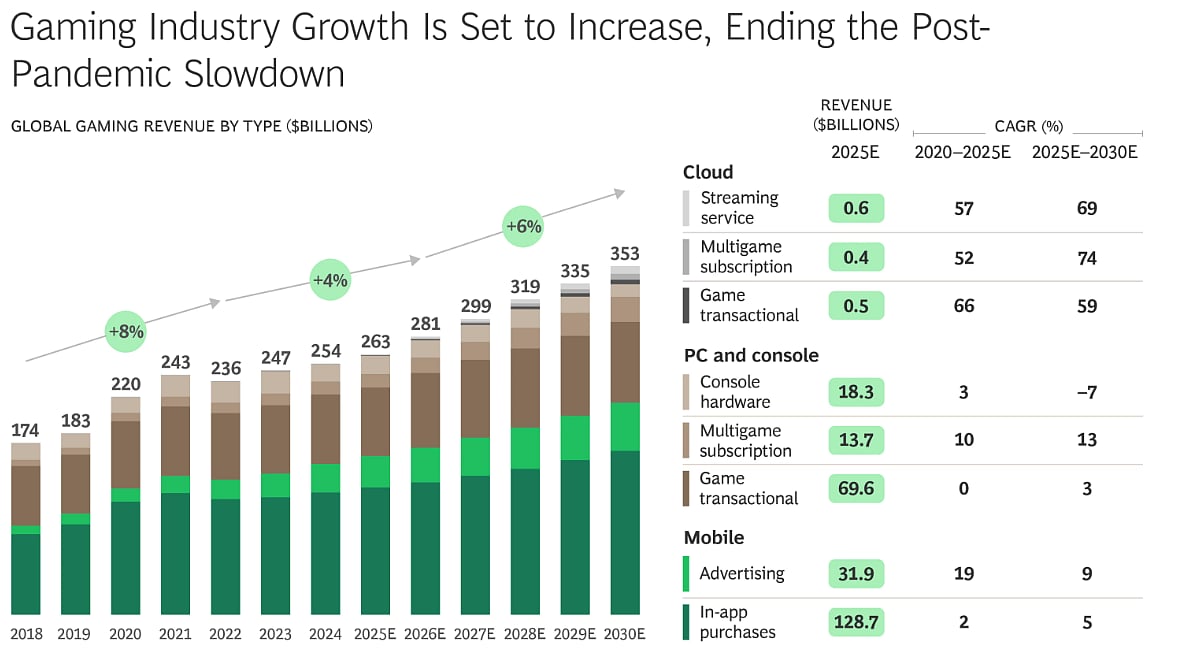


Game S 2026 Industry Barometer The Mood In The German Games Industry Games Industry Barometer 2026 2 1440x1920 . The Games Market To Recover In 2026 Reach 350M By 2030 Outlook Respawn Screenshot 2025 12 10 165236 . Creator Economy In Gaming Market Report 2026 Creator Economy In Gaming Market . The Evolution Of Play How The Gaming Industry Became The Engine Of The . Majority Of Germans Recognise The Positive Effects Of Video Games On 250807 GME Marktdaten 25 026 Games Wirkung 16x9 EN Scaled
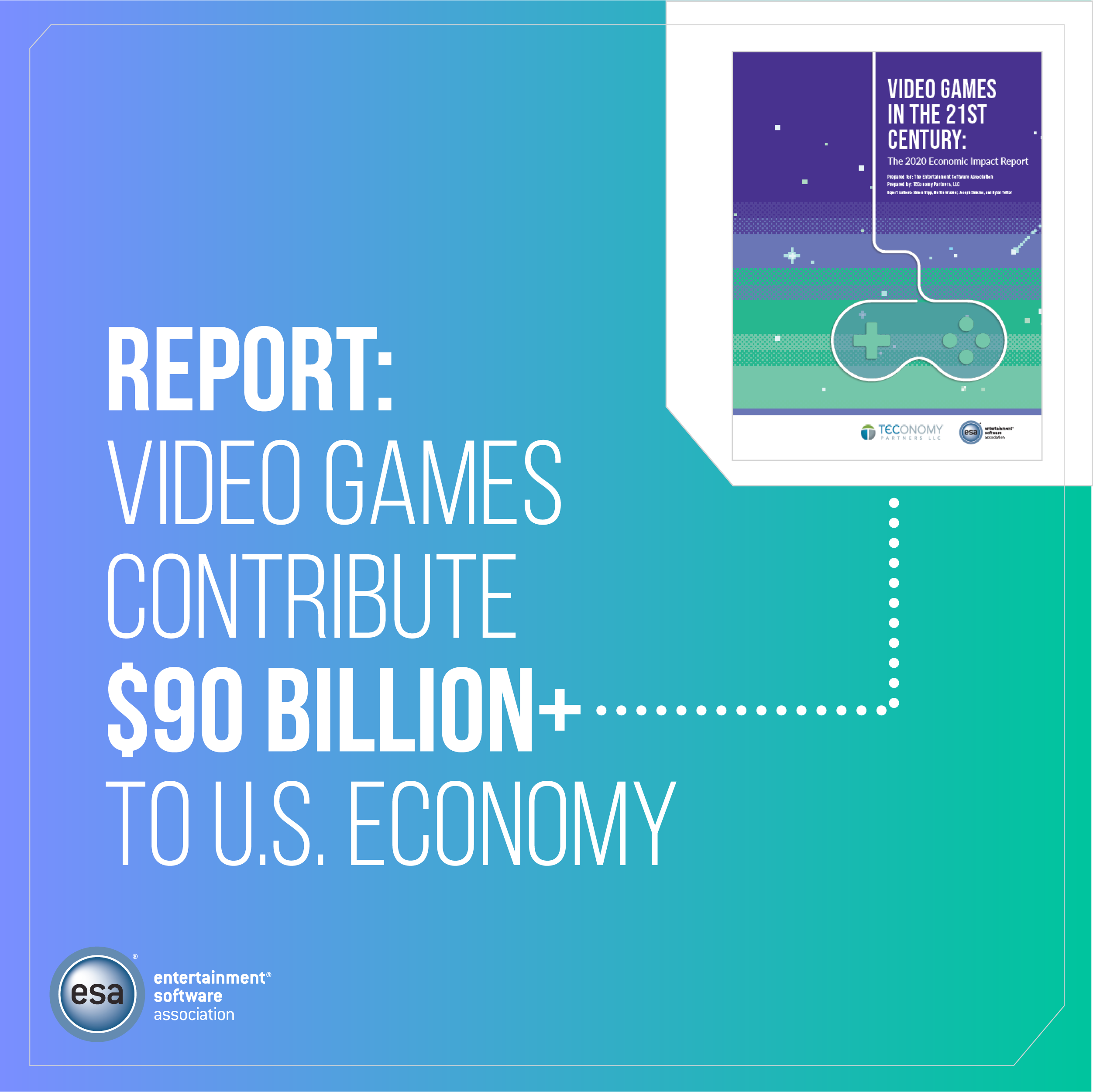

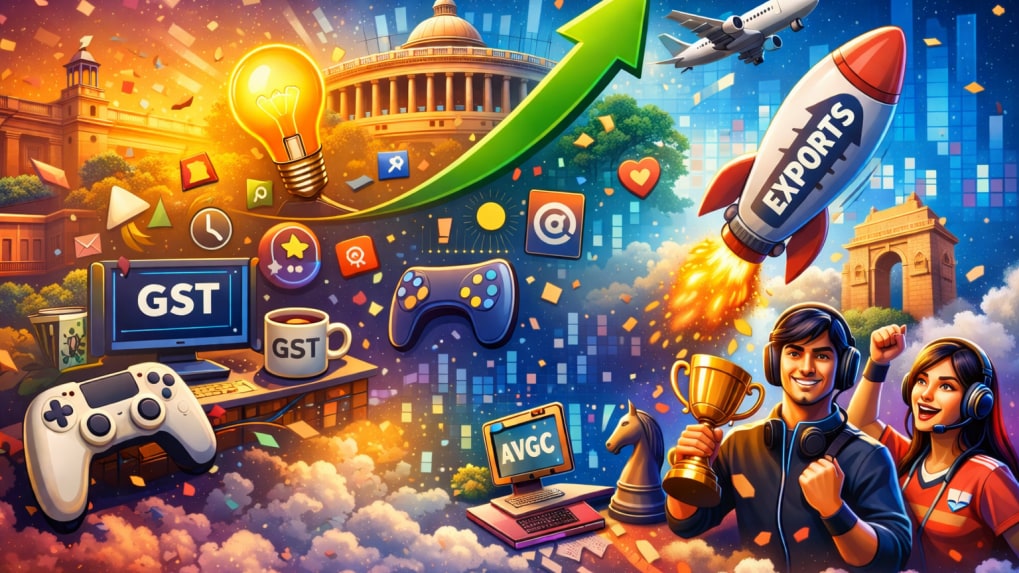
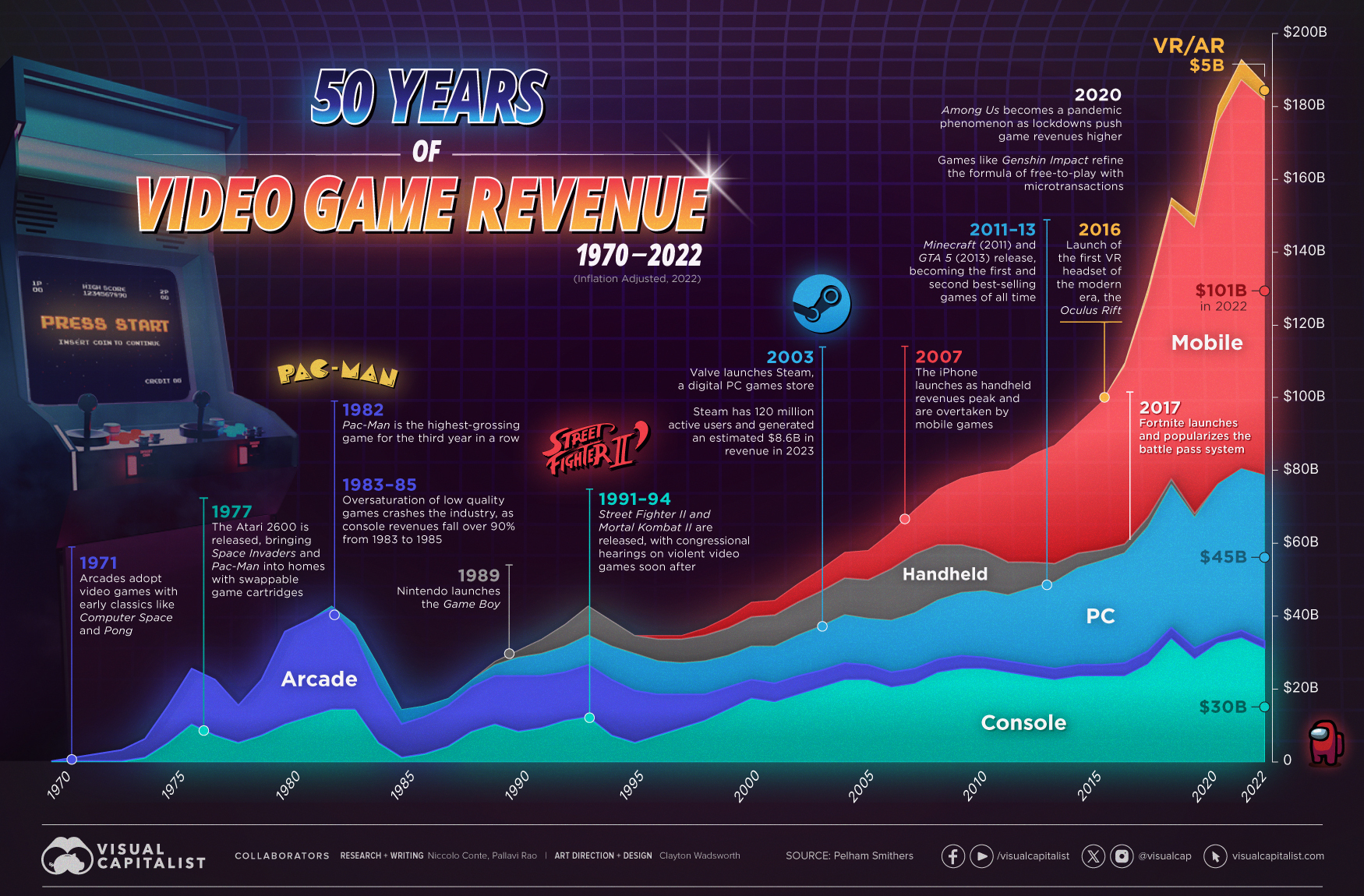
Report Video Games Contribute 90 Billion To U S Economy The ESA Square Release Img . The Rise Of The Gaming Industry A Segment That Fintech Cannot Ignore Visa Gaming . Budget 2026 Puts AVGC In Spotlight IICT And GDAI Hail Skilling Focused ChatGPT Image Jan 13 2026 11 18 53 PM 2026 01 1019x573 . Fifty Three Years Wasted Slope Of Hope With Tim Knight 50 Years Of Video Game Revenue Dec 31 . Video Game Industry Statistics 2026 Key Stats Female Buyers Power The Economy 2025 12
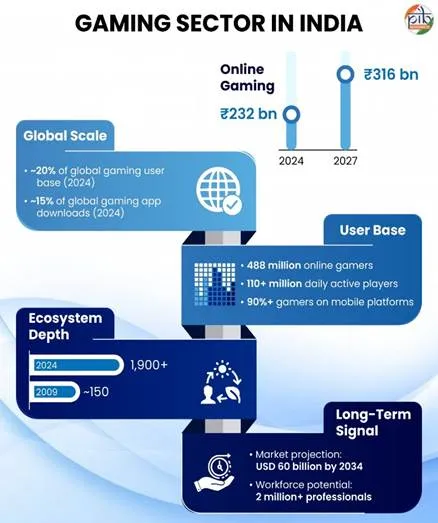


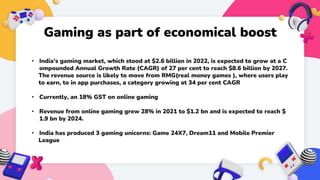
India Gaming Economy 2024 2027 232B To 316B Growth Official. Video Game Economics Aren T What They Used To Be Voronoi Image. See The Top 10 Public Companies By Games Revenue In H1 2023 The Global Games Market In 2023 . The Landgrab Era In Gaming Is Over IconEra Global Games Market Revenues In 2024 By Segment . Gaming A Blast To Technology Economy And PPTX Gaming A Blast To Technology Economy And 22 320



2025 Essential Facts About The U S Video Game Industry The ESA Eir 2026 Thumb 468x428 . The Economics Of Gaming Computer Games Being Monetized 83333b74 1db3 4d7c B05e 600x600 . National Economic Impact Of The U S Gaming Industry 2023 Reports 37847 Crop916004 760px . Economy 2026 What Slower Inflation And Modest Growth Mean For Fleets Gdp 720x516 S . 2026 Global Economy Between Stability And Uncertainty 23103


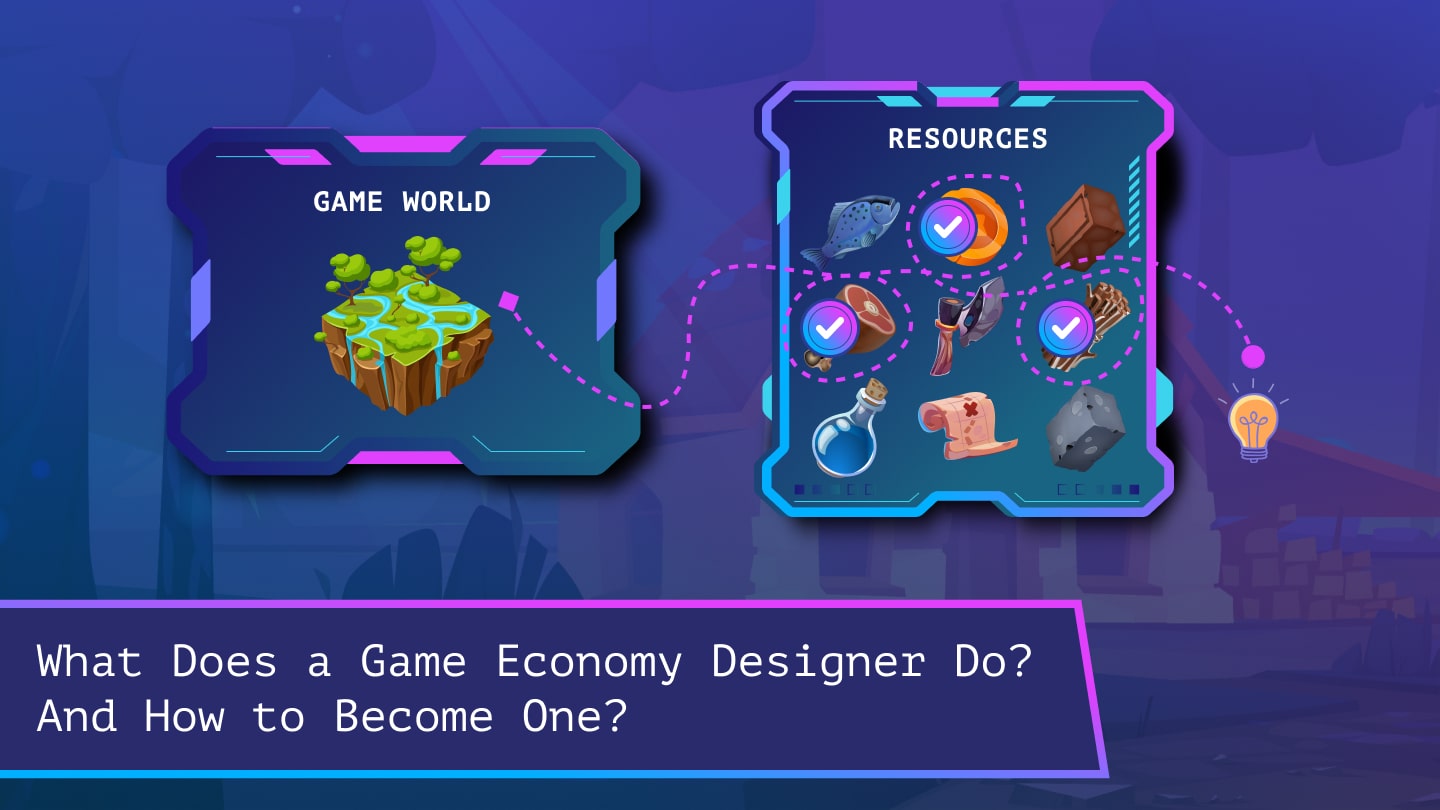
Gaming S Economic Impact GGB Magazine. Gaming Economy 2026 E Sports Gaming. Devtodev Game Market Overview The Most Important Reports Published 12 Gaming Market Projection 2026 . Video Games 2026 Key Trends Shaping The Future Of Play Mavigadget Blog 696x696 . What Does A Game Economy Designer Do And How To Become One GDS Game Economy Designer Feature
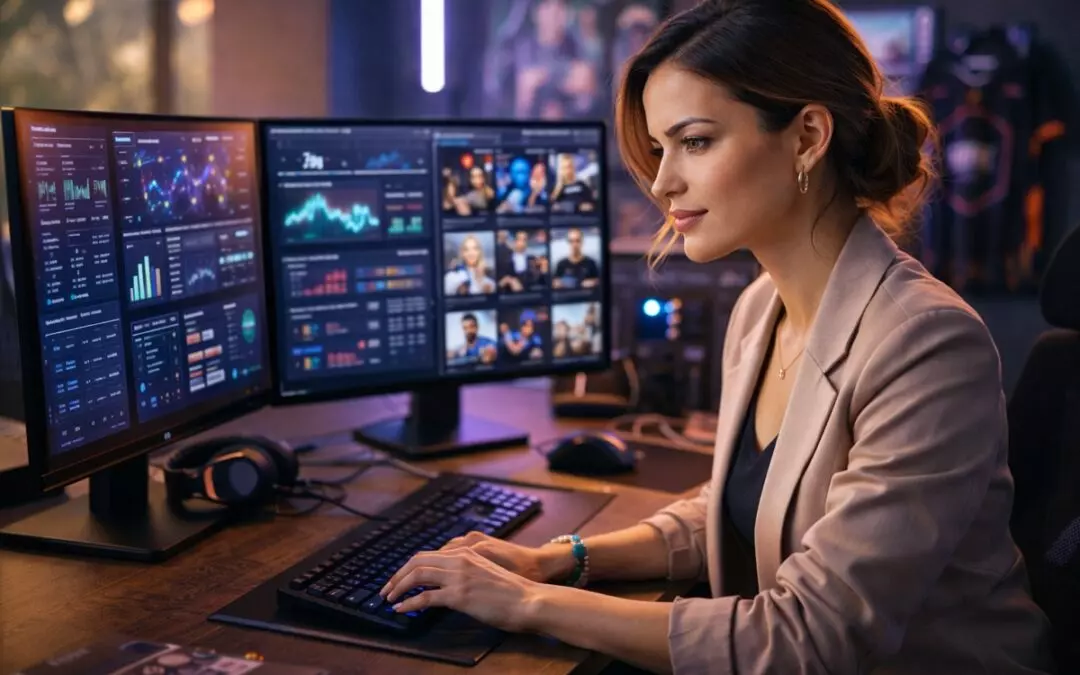
Gaming Industry Trends 2026 Cloud Gaming AI Metaverse Web3 Gaming Trends 2026.webp. The Gaming Creator Economy In 2026 Streaming Esports And New Brand Economie Createurs Gaming Streaming Esport 2026 1080x675 .webp